Top Remote Jobs for 18 Year Olds: Your 2026 Guide
Find legit remote jobs for 18 year olds in 2026. Explore entry-level roles, earning potential, and tips to start your work-from-home career today.
You've just turned 18, and job searching suddenly feels more real. You want income, but you also want flexibility, useful experience, and something that won't trap you in a long commute for an entry-level paycheck. That's exactly why remote work is so appealing right now. It can help you earn, build a resume, and learn how professional communication works before you ever set foot in an office.
The good news is that remote jobs for 18 year olds do exist. The hard part is that the market isn't built mainly for brand-new workers. In the United States, only 6.9% of work-from-home employees are ages 18 to 24, while older groups make up much larger shares of the remote workforce, according to U.S. Career Institute's remote work statistics roundup. That's why the right strategy matters more than spraying applications everywhere.
This guide is built like a starter pack, not just a list. You'll get legitimate platforms, practical trade-offs, and the basics that most beginners miss, including resume-building, contractor pay, and scam avoidance. If you also want a broader gear-and-workflow roundup, Taap.bio's top creator tools is a useful companion read.
1. YayRemote
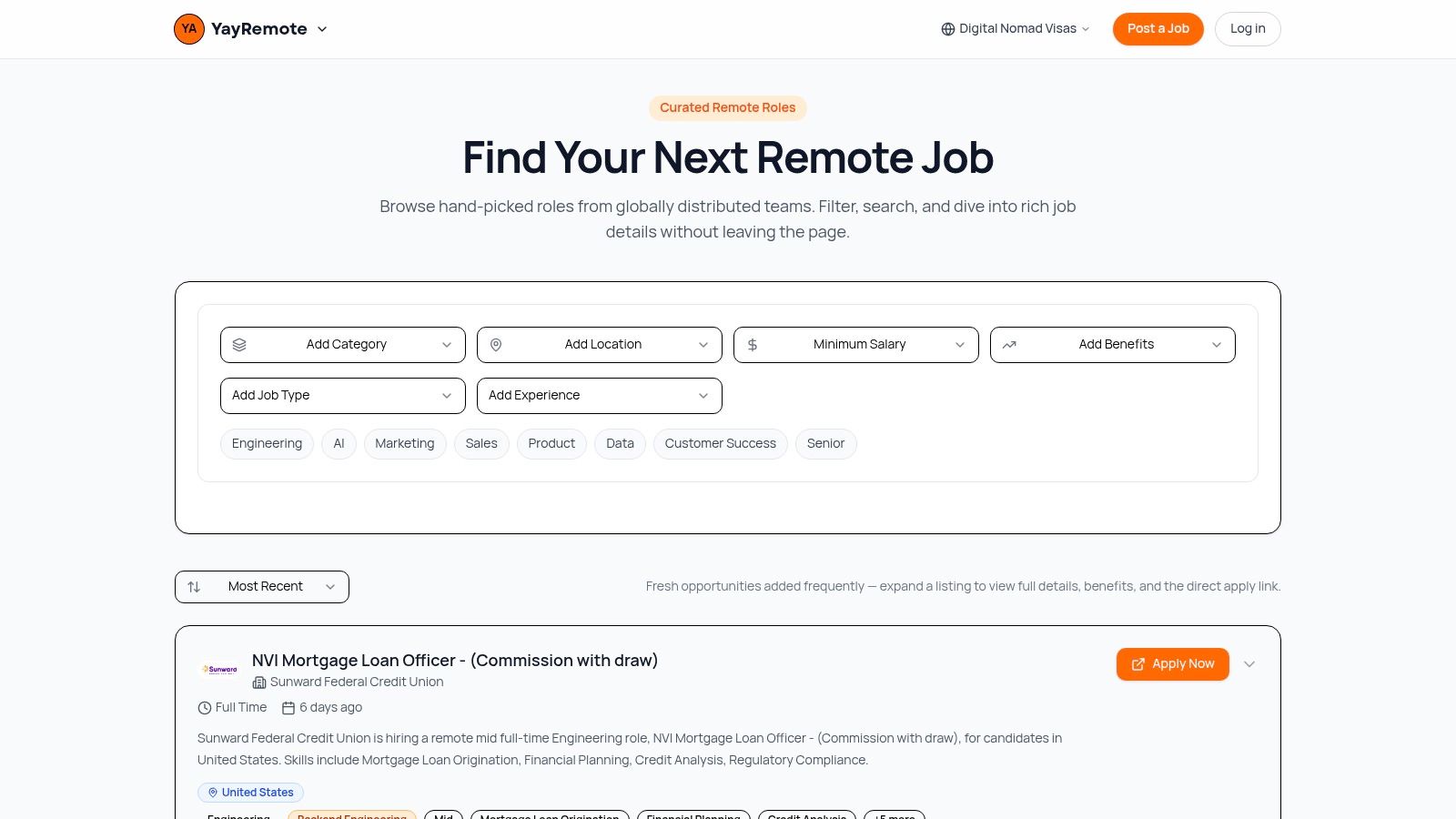
You open a big job board, filter for remote and entry-level, and get buried in listings that want two years of experience, perfect availability, or skills you have not built yet. A curated board is usually a better starting point. YayRemote helps you search with less noise, which matters when you are still figuring out what kind of remote work you can do right now.
For first-time applicants, the biggest advantage is clarity. Listings are selected rather than dumped into one giant feed, so it is easier to compare job requirements, spot roles that are beginner-friendly, and avoid wasting an afternoon on weak leads.
Why it works for beginners
YayRemote does more than show openings. It also gives you tools that help you apply better. The Skills Analyzer can help you translate school, volunteer work, side projects, and part-time experience into skills employers recognize. The ATS Resume Checker is useful if your first resume is too vague or too packed with filler. Those are common problems for 18-year-olds, and they are fixable.
It also teaches a lesson many beginners miss. Remote hiring is not only about whether you can do the work. It is also about time zones, location rules, communication style, and how clearly you present yourself on paper.
If you want a realistic example of the kinds of beginner-friendly roles to target, start with these work-from-home customer service jobs with no experience. That is one of the cleaner entry points into remote work because the hiring bar is often lower than it is for specialized tech or marketing roles.
Practical rule: Apply where the posting is clear, the requirements are specific, and the company explains how to apply. New workers get in trouble when they chase vague listings.
Trade-offs to know
The trade-off is scale. A curated board gives you better signal, but fewer total listings. That usually improves your hit rate, especially early on, but you should still keep one or two broader search methods in your rotation so you do not rely on a single source.
Some of YayRemote's paid features and employer-side pricing are not presented in a simple all-in-one breakdown. For job seekers, that is less important than the free search experience and application tools. Its primary value here is using the platform to build a shortlist you can act on, then tailoring your resume to those roles instead of sending the same generic application everywhere.
- Best for: New applicants who want a cleaner place to start
- Watch out for: Fewer listings than giant job boards
- Strongest advantage: Job search tools that help you improve your resume and targeting before you apply
2. ModSquad

ModSquad is one of the more realistic options if you're good at writing, comfortable online, and don't want every job to involve phone calls. It hires independent contractors, called Mods, for chat support, community moderation, social engagement, and related digital operations work.
For an 18-year-old, that's appealing because the work often maps well to skills you may already have. If you've spent years navigating forums, gaming communities, Discord servers, or social platforms, you already understand tone, escalation, and online behavior better than you think.
Where ModSquad fits
This platform is a better match for someone who's organized and text-strong than for someone who wants simple, repetitive tasks. Different projects can involve different brands and industries, including gaming, entertainment, tech, and consumer-facing communities. That variety is useful on a resume because it gives you brand-facing experience instead of just generic support experience.
The flip side is inconsistency. Project-based work can fluctuate, and some applicants won't hear back quickly. You need patience and backup options.
Good moderation work looks invisible. You prevent problems, document clearly, and keep your tone steady even when users don't.
If customer support feels like your lane, it's worth reading work-from-home customer service jobs with no experience before you apply. It'll help you describe your communication skills in a way hiring teams understand.
- Best for: Chat support, moderation, and community work
- What works: Strong writing samples, calm communication, reliability
- What doesn't: Applying with a blank profile and no examples of digital responsibility
You can apply directly through ModSquad.
3. Working Solutions
Working Solutions is one of the clearer entry points into remote customer support if you want real client work, structured screening, and a company that has been around for a while. For an 18-year-old, that matters. A recognizable platform usually gives you a cleaner application process and fewer red flags than random job posts promising easy money from home.
The catch is the contractor setup.
You are not applying for a standard employee role with guaranteed hourly pay, benefits, and a fixed schedule. You are applying to join a pool of home-based agents, then matching into client programs based on availability and fit. That can be a good first step if you want to build experience, but you need to read the pay details closely before you say yes to anything.
What beginners need to understand before applying
Working Solutions is a good platform for learning how contractor pay works. Some programs pay for productive time rather than every minute you are logged in. In plain English, active calls or chats may be paid differently from waiting time, training time, or gaps between customer contacts.
That difference changes your real hourly earnings.
I tell young applicants to ask direct questions before they commit: How is pay calculated? Are you paid for scheduled availability or only active work? Is training paid? Are there minimum hour requirements? Those answers matter more than a vague claim about flexibility.
As noted earlier, entry-level remote support work often falls into a beginner pay range rather than high-income territory. Use that as a reality check. If a listing sounds far above normal for basic customer service, slow down and verify it.
Who usually does well here
Working Solutions fits people who are patient, consistent, and comfortable following systems. If you can stay polite on repetitive calls, learn a script, and keep your notes clean, this can be a solid first remote job. It is less about creativity and more about reliability.
It is also a useful test of whether remote customer support is a fit for you. Some 18-year-olds like the structure. Others realize quickly that back-to-back customer conversations drain them.
- Best for: Customer support beginners who want a more structured platform
- What helps: Clear speaking, careful reading, steady attendance, comfort with software
- Watch out for: Variable earnings, unpaid gaps, and no traditional employee benefits
You can review openings at Working Solutions.
4. NexRep
NexRep sits in a similar category to Working Solutions, but with a stronger sales angle in some programs. It contracts U.S.-based agents for customer support and sales work, and your earnings can depend heavily on the campaign you join.
That makes it more variable. Some beginners do well in this environment because they're persuasive and energetic. Others find it frustrating because income can be less predictable when part of the compensation depends on talk time or commission.
Who should consider NexRep
If you're confident on calls and don't freeze when talking to strangers, NexRep can be worth a look. Sales-related remote work can teach you a lot, fast. You learn objection handling, active listening, CRM discipline, and how to stay professional under pressure.
If you hate pressure or need fully predictable earnings, this may not be your best first move. Customer care campaigns are usually easier for beginners than commission-heavy ones.
Reality check: Flexible scheduling sounds great until you realize you're responsible for managing your own slow periods.
Compensation details often vary by campaign, so don't assume one listing reflects every opportunity on the platform. Ask direct questions during screening. You want to know whether you're being paid for availability, connected time, completed tasks, or closed sales.
One useful benchmark comes from ZipRecruiter's New Jersey page for 18-year-old work-from-home jobs, which notes that entry-level roles such as customer service, data entry, and virtual assistant work often land in the $13 to $18 per hour range. If a support campaign seems far below that once the pay structure is explained, be cautious.
You can explore agent opportunities through NexRep.
5. LiveWorld

LiveWorld is a strong option if you want non-phone work and your written communication is better than your spoken communication. It hires social media agents for customer care, engagement, and moderation, often with enterprise brands in regulated fields.
For 18-year-olds, this is one of the more credible pathways into professional online communication. You're not just posting casually. You're following brand standards, handling sensitive interactions, and often working within compliance rules.
Why writing quality matters here
LiveWorld isn't a “just be online” type of role. The company typically expects writing ability, judgment, and consistency. That's good news if school, clubs, or volunteer work have made you a strong writer. It's tougher if your applications are rushed or full of sloppy messages.
The minimum age of 18 is explicitly stated for many roles, which removes one common barrier younger applicants run into. The larger challenge is competitiveness. Part-time remote social roles attract a lot of interest, especially from people who'd rather type than take calls.
A practical way to stand out is to show proof of clean writing and careful judgment. Mention school newspaper work, club communications, volunteer inbox management, moderation on online communities, or anything else that shows you can represent a group professionally.
- Best for: Strong writers who want chat-first or social-first work
- You'll need: Good grammar, patience, and comfort with policies
- Hard truth: Evening, weekend, or holiday flexibility may be part of the deal
Go straight to LiveWorld careers to see current openings.
6. Rev
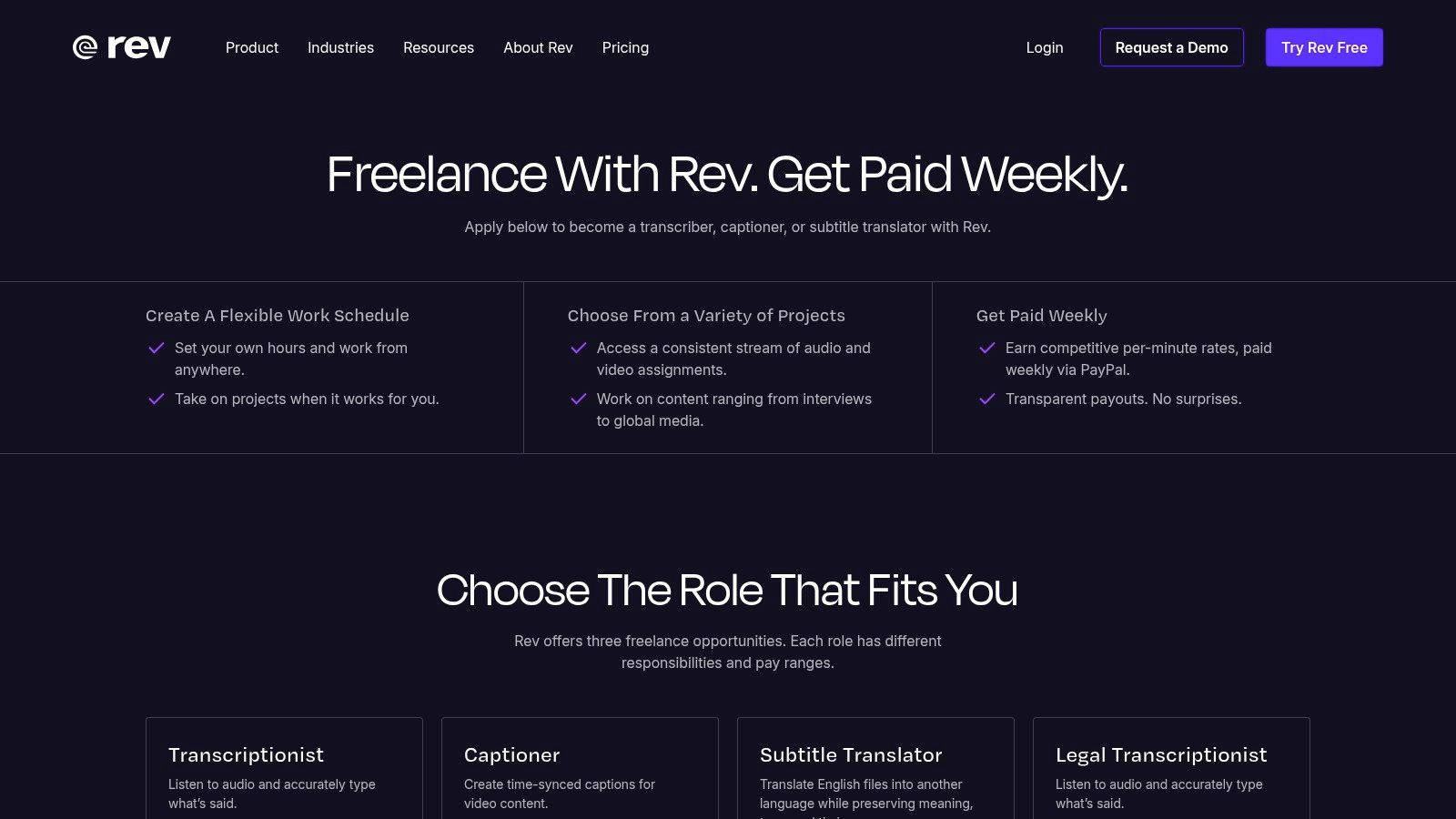
Rev is different from the support and moderation platforms on this list. It focuses on freelance transcription, captions, and subtitles. If you want asynchronous work that doesn't require live customer interaction, this is one of the cleaner beginner-friendly directions to explore.
This kind of work rewards focus more than personality. You need accuracy, listening skills, comfort with style guides, and enough discipline to sit with repetitive tasks. Some 18-year-olds love that. Others find it draining within a week.
What beginners often get wrong
A lot of new applicants assume transcription is easy because it doesn't involve customers. It isn't. Audio quality varies, speakers overlap, accents differ, and speed matters. If your typing is slow or your attention slips easily, the work can feel much harder than it looks.
What I like about Rev as a starter option is that it teaches production discipline. You claim work, follow standards, and deliver clean output. That's real freelance muscle, even if you later move into writing, editing, or operations.
Before you start applying to freelance-style roles, build a basic document that sells your strengths well. This guide on how to create an effective resume is useful if you're starting with very little formal experience.
Treat your first resume like a proof-of-work document. It should show that you finish things, communicate clearly, and pay attention.
- Best for: Independent workers who prefer task-based jobs
- Strongest upside: Flexible, on-demand workflow
- Main caution: File availability and acceptance standards can fluctuate
You can check eligibility and application details at Rev freelancers.
7. Cambly
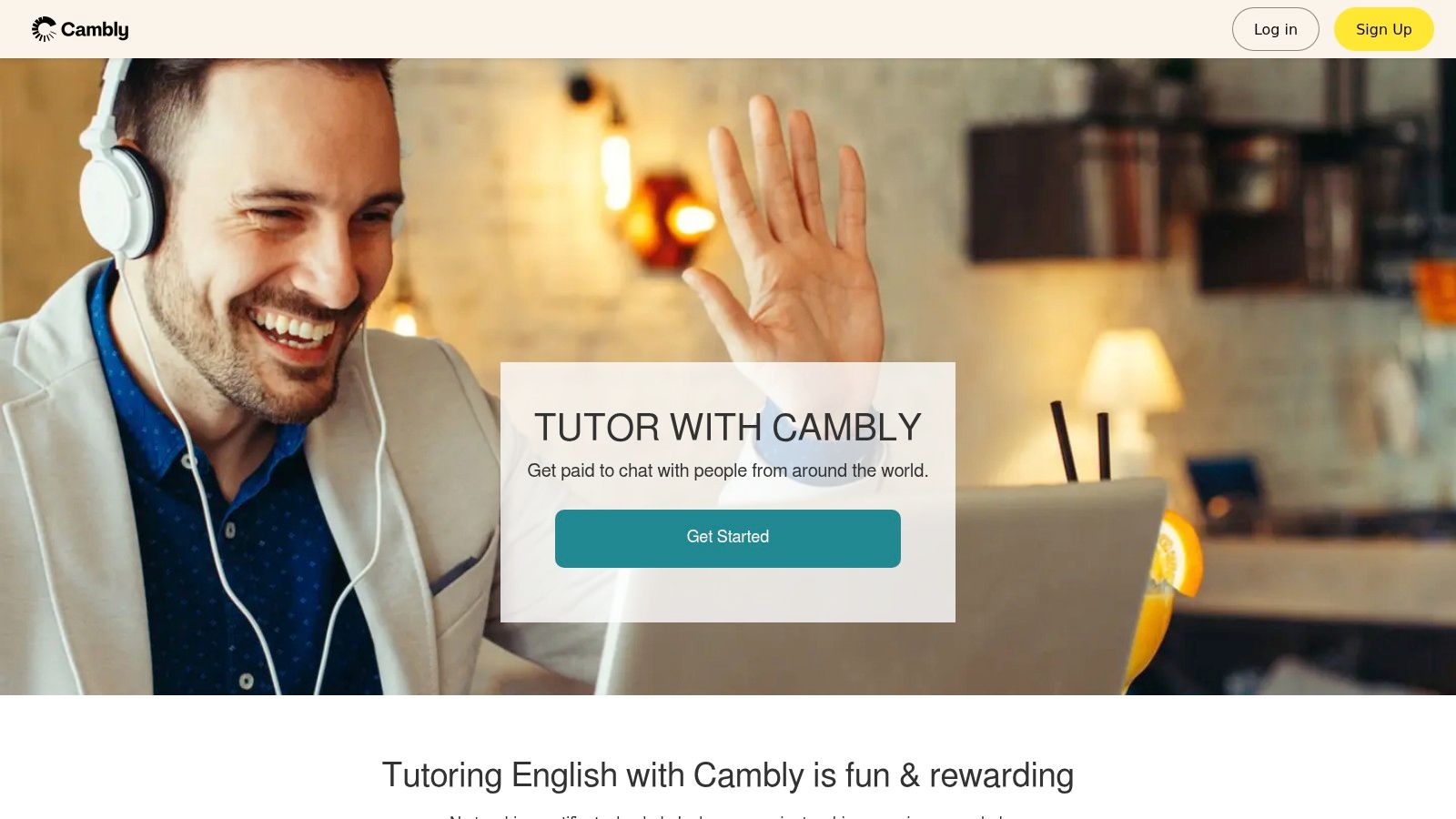
You log in after class, take a video call from a learner in another country, and get paid for holding a clear, friendly English conversation. That is the appeal of Cambly. It is one of the more accessible remote options for 18-year-olds because you can start without a degree or formal teaching credential.
The catch is simple. You are selling live attention.
Cambly fits people who speak comfortably, listen well, and can keep a conversation moving even when the other person is shy, tired, or struggling for words. It is less about formal teaching and more about presence, pacing, and patience. If you like real-time interaction, that can be a strong first remote job. If constant video calls wear you out, the work gets old fast.
What makes Cambly useful in a starter-pack guide like this is the trade-off. Entry is easier than many remote roles, but the ceiling is usually lower than skill-based freelance work. You get quick exposure to professional habits such as showing up on time, communicating clearly, and staying composed with strangers. Those habits transfer well to customer support, sales, recruiting, and other people-facing remote jobs.
Pay can also feel uneven because live platforms depend on demand, timing, and consistency. A beginner should go in expecting variable hours, not guaranteed income. That matters if you are comparing contractor platforms and trying to figure out whether a role can cover bills or just add spending money.
I usually tell young applicants to ask one blunt question before applying. Do you want flexible conversation work, or do you want a role that builds a more technical portfolio? Cambly is a reasonable first choice if you need something straightforward and you are good with people. It is a weaker fit if your long-term plan is to build samples in writing, design, editing, or admin work.
You can apply through Cambly tutors.
7-Company Comparison: Remote Jobs for 18-Year-Olds
| Item | 🔄 Implementation complexity | ⚡ Resource requirements | 📊 Expected outcomes | 💡 Ideal use cases | ⭐ Key advantages |
|---|---|---|---|---|---|
| YayRemote | Moderate, curated listings, APIs & Pro features | Low for seekers; Medium for employers (paid posts, integration dev) | High-quality matches and faster vetting; smaller volume than mass boards | Remote job seekers, digital nomads, employers seeking curated candidates | Curated listings, built-in tools (resume/visa), integrations |
| ModSquad | Low, project-based onboarding, flexible assignments | Minimal, reliable internet, communication tools | Portfolio-building moderation experience; variable project availability | Community moderators, chat/email support, flexible part-time | Flexible scheduling, brand-client experience |
| Working Solutions | Moderate, contractor model, program selection & checks | Home office + phone/chat setup; US-based requirements | Steady contract work; pay often by productive minutes | Agents needing flexible US-based phone/chat roles | Established firm, access to multiple client programs |
| NexRep | Moderate, background checks and campaign-specific training | Home setup; possible sales tools; US-based paperwork | Flexible income with per-minute pay and commission potential | Sales/customer support contractors seeking commissions | Commission upside, quick matching to campaigns |
| LiveWorld | Moderate, writing vetting and compliance workflows | Strong writing skills, language tests; US-based | Part-time social moderation in regulated sectors; competitive hiring | Skilled writers, social moderators for regulated brands | Non-phone roles, healthcare/regulatory clients |
| Rev | Low, single application test then on-demand work | Basic equipment (computer, headphones); transcription skills | Flexible, skill-based earnings; pay varies by file difficulty | Freelancers/students wanting flexible transcription/caption work | On-demand workflow, clear style guides, niche tracks |
| Cambly | Very low, short demo, no certification required | Webcam, stable internet, conversational English | Per-minute earnings; highly flexible but income can be unpredictable | Casual tutors, students, native/near-native English speakers | Ultra-flexible hours, no degree/TEFL required |
Your Next Move From Reading to Applying
You open two application tabs, start a resume, and realize the hard part is not finding remote jobs. It is proving you can do one.
At 18, that is normal. Remote employers hiring for beginner roles usually care less about a long job history and more about whether you seem reliable, clear, and trainable. They want someone who follows instructions, writes like a professional, shows up on time, and can work without being chased.
Build your first resume around evidence, not age. School clubs, volunteer work, sports, caregiving, side hustles, and personal projects all count if you describe them in job language. A club treasurer role shows trust and record-keeping. Running a Discord server shows moderation, rule enforcement, and conflict handling. Helping in a family business shows customer communication, scheduling, inventory tracking, or admin support. For each bullet, state what you did, how often you did it, and what result you helped create.
Then get specific about fit.
If you are comfortable on the phone, Working Solutions and NexRep may suit you better than transcription or moderation work. If your strongest skill is writing, ModSquad, LiveWorld, and Rev are more realistic targets. If you want one place to start sorting through remote listings before you apply, use YayRemote. If your home setup still needs work, Taap.bio's top creator tools can help you set up the basics.
Pay needs a reality check too. Many entry-level remote roles for 18-year-olds are contractor roles, not employee jobs. That affects taxes, schedule stability, and how pay is calculated. Some companies pay by productive minute, completed task, or talk time instead of a standard hourly rate. Flexible work can be useful, but uneven income is the trade-off. Read the pay structure before applying and estimate what a slow week would pay.
Protect yourself while you apply. Real companies do not charge you for access to a job. They do not ask for banking details, your Social Security number, or ID documents before you have verified the employer and reached a legitimate hiring step. Be careful with direct messages promising fast money for simple online tasks. Entry-level remote jobs still involve screening, written instructions, and a real application process.
If you need help turning limited experience into a resume that sounds credible, this CV guide for adult learners is a useful reference.
Keep your next step simple. Pick two or three roles that match your actual strengths, tailor your resume for each one, and send focused applications. A short list of strong applications beats twenty rushed ones every time.